I love cooking with cast iron-indoors or out, it's always my favorite. It distributes heat evenly, adds amazing flavor, and gives that perfect crisp on the edges of your food. Since it's oven-safe, you can easily transfer dishes from stovetop to oven for seamless cooking and baking. Cast iron is versatile, durable, timeless, and surprisingly easy to care for. Still, many people think raw cast iron is tricky to clean or maintain. In this post, I'll share everything you need to know about how to care for cast iron, both raw and enameled, so your pieces stay beautiful and ready to use for generations.
What I love about Cast Iron
- Flavor: The primary reason I use cast iron, and mainly raw cast iron, is for the amazing flavor it brings to food. Through built up patina and it's ability to crisp food to perfection, it's almost like cooking over an open flame but without the hassle.
- Versatile: While cast iron works best over an open flame like a campfire or a gas cook-top, I've used it successfully on an electric cook-top for years. I love that I can transfer it directly from the stove-top to the oven when needed or even take it out to the grill or fire if I wanted. It's durable and functional for all environments.
- Even Cooking: Cast iron does a phenomenal job of distributing the heat so that you get even cooking without burning. You can also saute and simmer foods for long periods of time successfully.
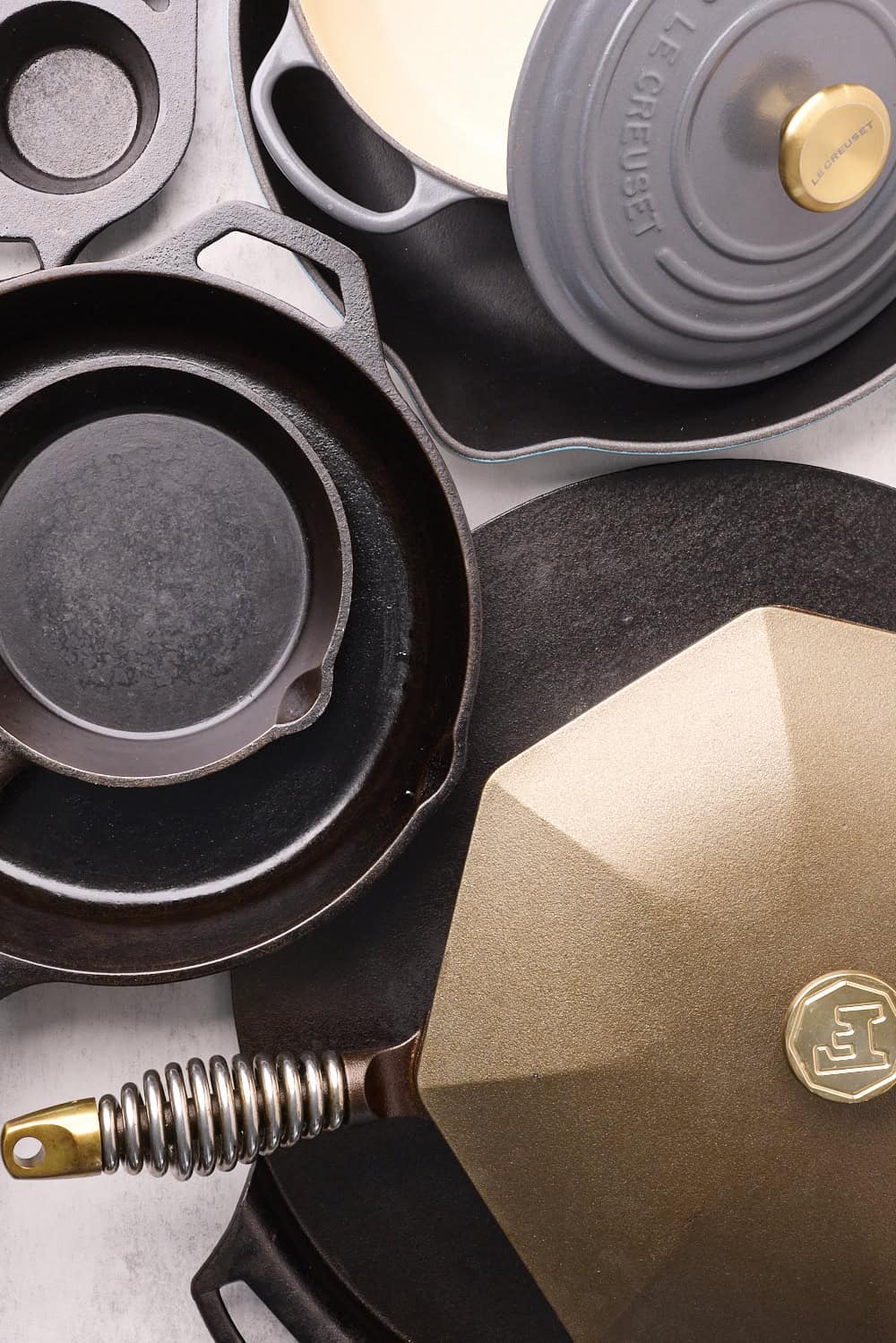
- Beautiful: Cast iron pots come in so many shapes, sizes and colors now, they are like decorations for your kitchen. They're durable enough to last a life time and even become an heirloom, full of memories and flavors for generations.
Want to try a delicious recipe using cast iron? Try my Strawberry Rhubarb Crisp or my mouthwatering Plum Upside Down Cake.
Jump to:
About Cast Iron
Why Cast Iron
Cast iron has been a trusted kitchen staple for centuries, and for good reason. It heats evenly, holds heat exceptionally well, and works beautifully on the stove-top, in the oven, or even over an open flame. With proper care, cast iron develops a natural nonstick surface (called a patina) that only gets better the more you cook with it. It's also incredibly durable-when maintained, cast iron cookware can last for generations, making it a timeless, eco-friendly choice. From getting that perfect sear on a steak to baking golden, crispy cornbread, cast iron delivers unmatched flavor and versatility.
Starting Out
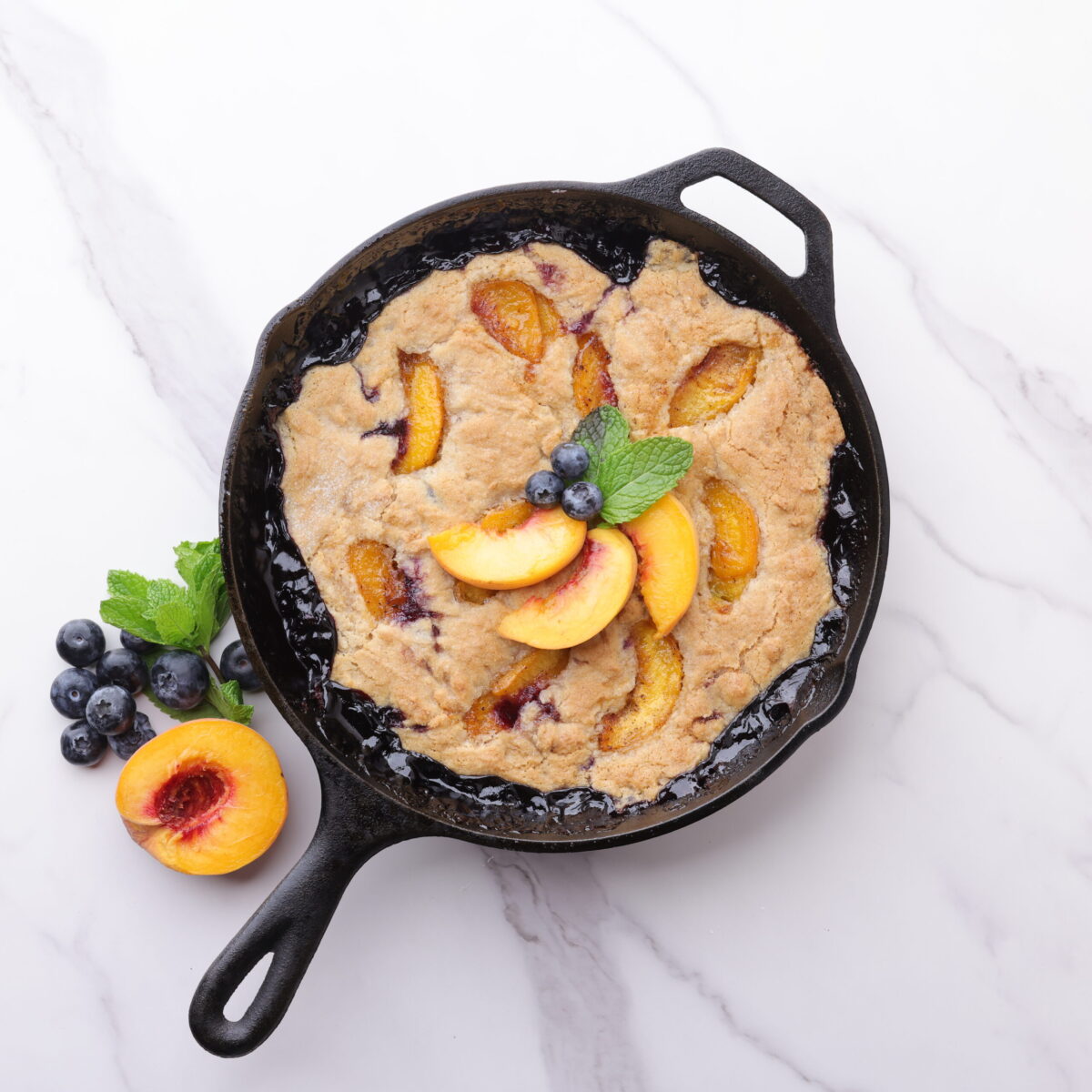
If you're just starting out with cast iron, I recommend beginning with the classic raw skillet. My favorite is the 10" skillet from Lodge-it lives on our cook-top. I use it for everything: frying eggs, flipping pancakes, searing steaks, simmering ground meat, sauces, baking cornbread, and even making skillet cookies and cobblers. It works beautifully on both the stove-top and in the oven, is quick to clean, and in my opinion, is the most versatile piece of cookware you can own.
When it comes to things like artisan bread, soups, stews, and braises - enameled cast iron pots, like Dutch ovens, are ideal. They combine the best of both worlds: cast iron's excellent heat retention with the convenience of an enamel coating. The enamel surface is non-reactive, so it won't interact with acidic ingredients like tomatoes, wine, or vinegar, keeping flavors clean and balanced. Unlike raw cast iron, it doesn't require seasoning, and it's much easier to clean thanks to its smooth finish. These qualities make enameled cast iron perfect for long, slow-cooked, liquid-heavy dishes, where even heating and consistent simmering really shine.
What's with Patina?
On cast iron, the patina is the smooth, blackened layer that builds up over time from repeated use and proper seasoning (we will cover this below). It includes layers of seasoning, tiny micro-layers from fats and foods and the wear patterns from use over time.
The patina does a few important things:
- Protects the iron from rust.
- Improves cooking performance by making the surface smoother and more nonstick.
- Adds flavor and character, since it develops through years of cooking.
Maintenance
I think this is maybe where people get intimidated the most. But it truly is SO simple.
Cleaning
Enameled cast iron can be treated as a regular pot. Wash it in your sink with soap and water. If you're noticing some staining or spots that are tricky to get off, on the inside or out, you can use LeCreuset's Cast Iron Cookware Cleaner. I have also used Barkeeper's Friend for persistent spots but you should always test this on a small spot on your pots first to ensure it won't take off any finishes.
For raw cast iron we want to season it regularly and allow it to develop a patina. This is why we typically don't wash it with soap as that can remove the oils we are wanting to have build up over time. However, you CAN wash with soap if you truly want to. Most soaps these days are gentle enough that they won't wash away your bonded seasoning. Here are a few cleaning options you can use:
- For less messy meals like eggs or pancakes, you can use a paper towel to wipe out the excess grease. If the grease is persistent, pour 1-2 teaspoons of salt into the skillet and use a dry paper towel to scrub the skillet clean. This will act like an abrasive to help remove difficult pieces. Rinse with water if needed to get all the salt out.
- For messier foods like sauces using water and a scrubby works perfectly.
- And if desired - you can add a little soap!
Seasoning
If at any time, you fully wash your skillet, like described above, you will need to season it again to replenish the oils that have been lost. This ensures they don't rust. Laid out below is a step by step guide to seasoning your cast iron. But first, let me answer a few questions about seasoning.
What is seasoning? Seasoning raw cast iron is the process of baking on thin layers of oil until they bond to the surface, creating a natural nonstick coating that protects against rust and improves cooking performance. Both seasoning and cooking help to build up the patina on the raw cast iron.
When should I season my cast iron? Any time you have used water on your cast iron it is a good idea to season it. The water will strip some of the oils from the skillet/pot leaving it vulnerable to rust and making it more difficult to cook with as foods will stick and not cook evenly.
What is the best oil to season with? When choosing an oil for your cast iron, there are two key factors to consider: the smoke point and the flavor profile. The smoke point is the temperature at which the oil starts to break down, creating smoke, off-putting smells, and harmful compounds. High smoke point oils can handle higher temperatures without losing flavor or releasing toxins. The second factor is the flavor of the oil, which should complement what you typically cook with. I season my skillet with canola oil for its high smoke point and neutral flavor, similar to butter which I cook with often. Other good options include avocado oil and coconut oil. I'd avoid olive oil, as it burns quickly and can turn bitter. You can also buy seasoning sprays such as Lodge Seasoning Spray.
Do I have to place it over heat or in the oven every single time I oil it? Not necessarily. If you use your skillet daily and it's well-seasoned, a simpler routine works fine. I do this with my own skillet. After a wash with hot water and a scrubby, I apply a thin layer of oil and leave it on the stove overnight. In the morning, I heat it up to cook. It's like a delayed seasoning. However, if you don't use your cast iron often, I'd recommend heating it before storing to allow the oil to bond with the cast iron, prepping it for your next use.
If I use my cast iron frequently do I ever need to heat it in the oven? This is really situational. If you have needed to do a rigorous cleaning of your raw cast iron, or you are working on building up your patina, or it is an old cast iron dish that you are bringing back to life, then heating it in the oven for a longer period of time would be advantageous. If your skillet is looking well oiled, is free of rust and is performing well, then heating for a few minutes on the stove top is likely just fine.
Instructions
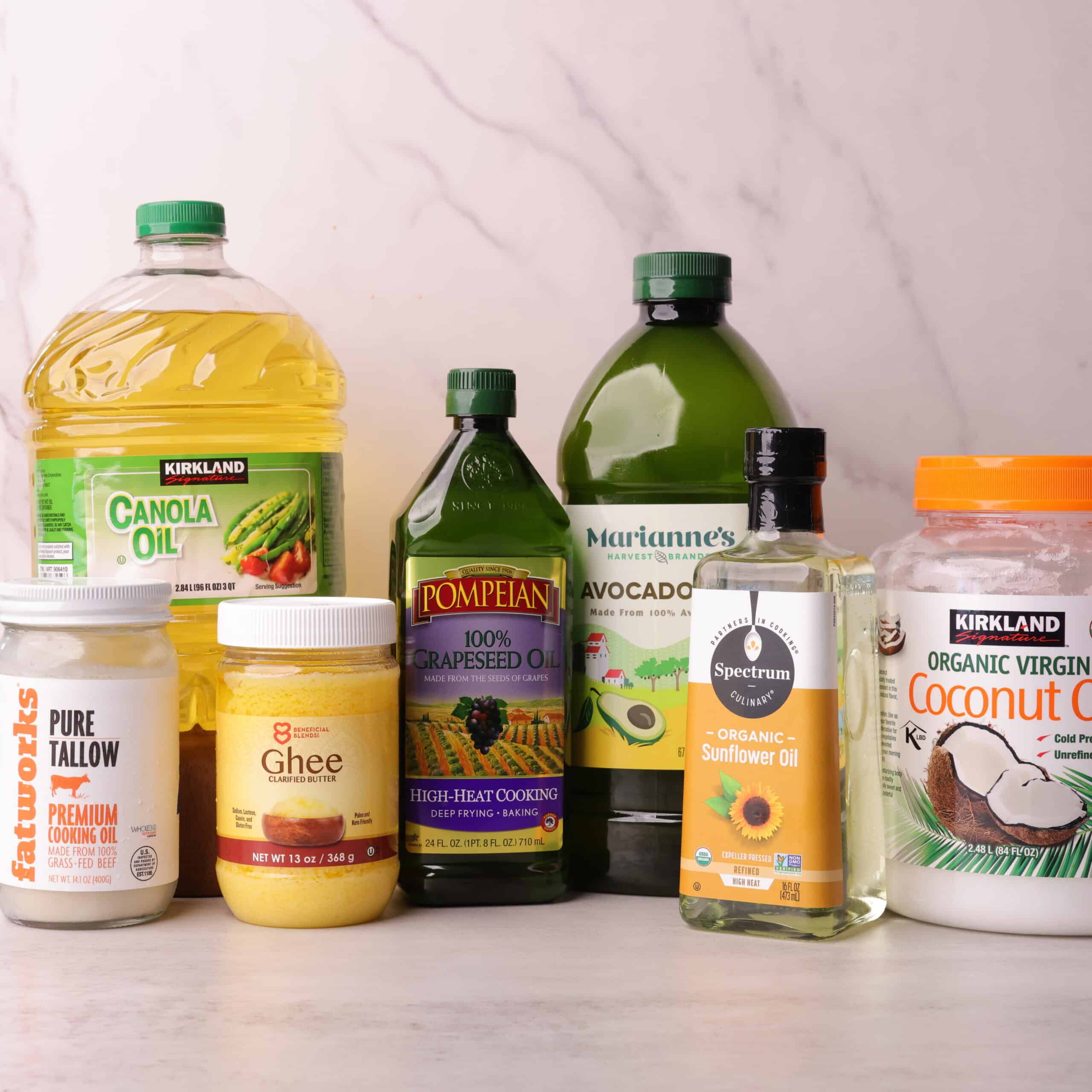
Step 1: Choose a high smoke point oil to season with. Canola oil is my favorite.
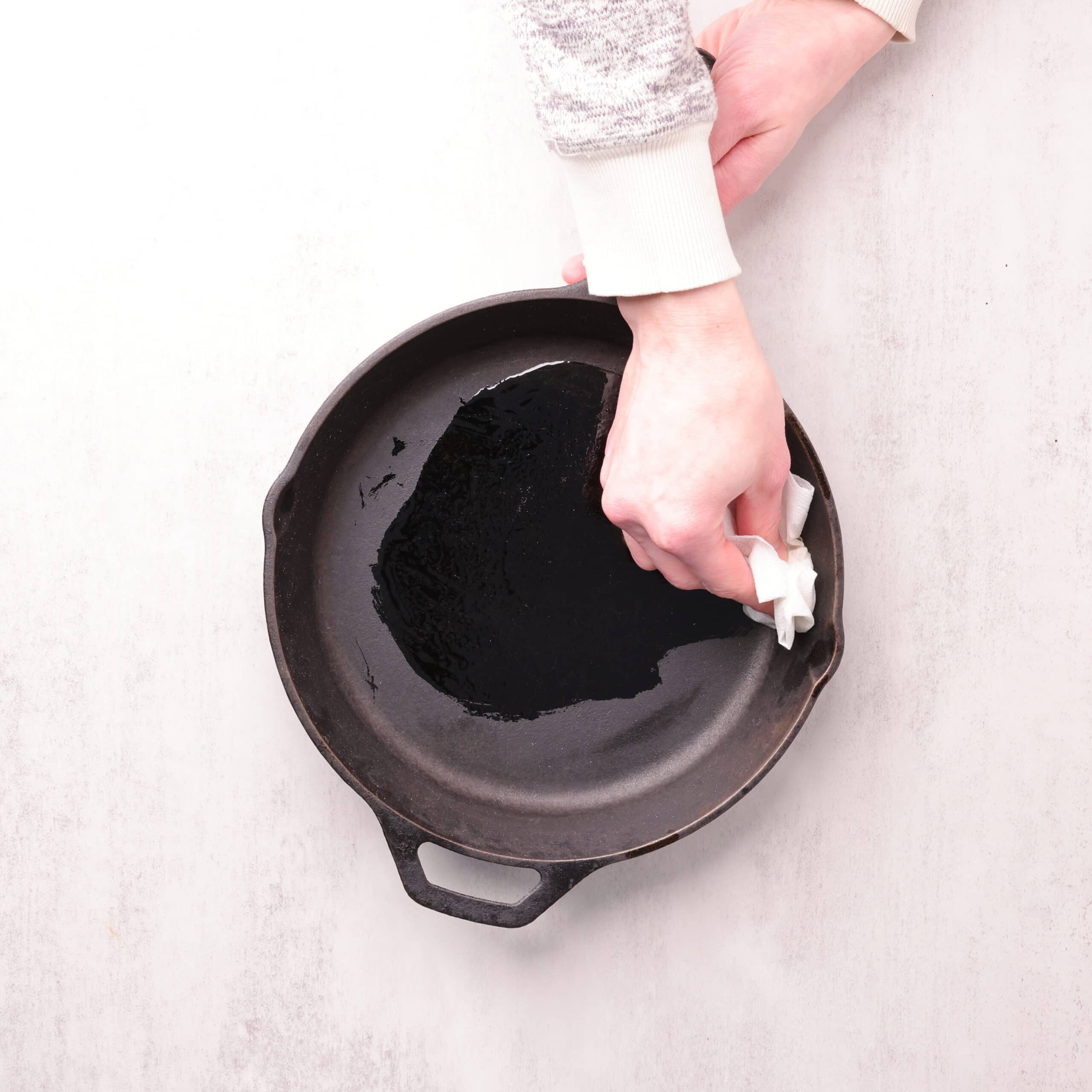
Step 2: Once your cast iron is clean, apply some oil to the pot or skillet, usually 1-2 teaspoons is enough. Using a paper towel spread the oil over the entire pot including the handle, outside and bottom.
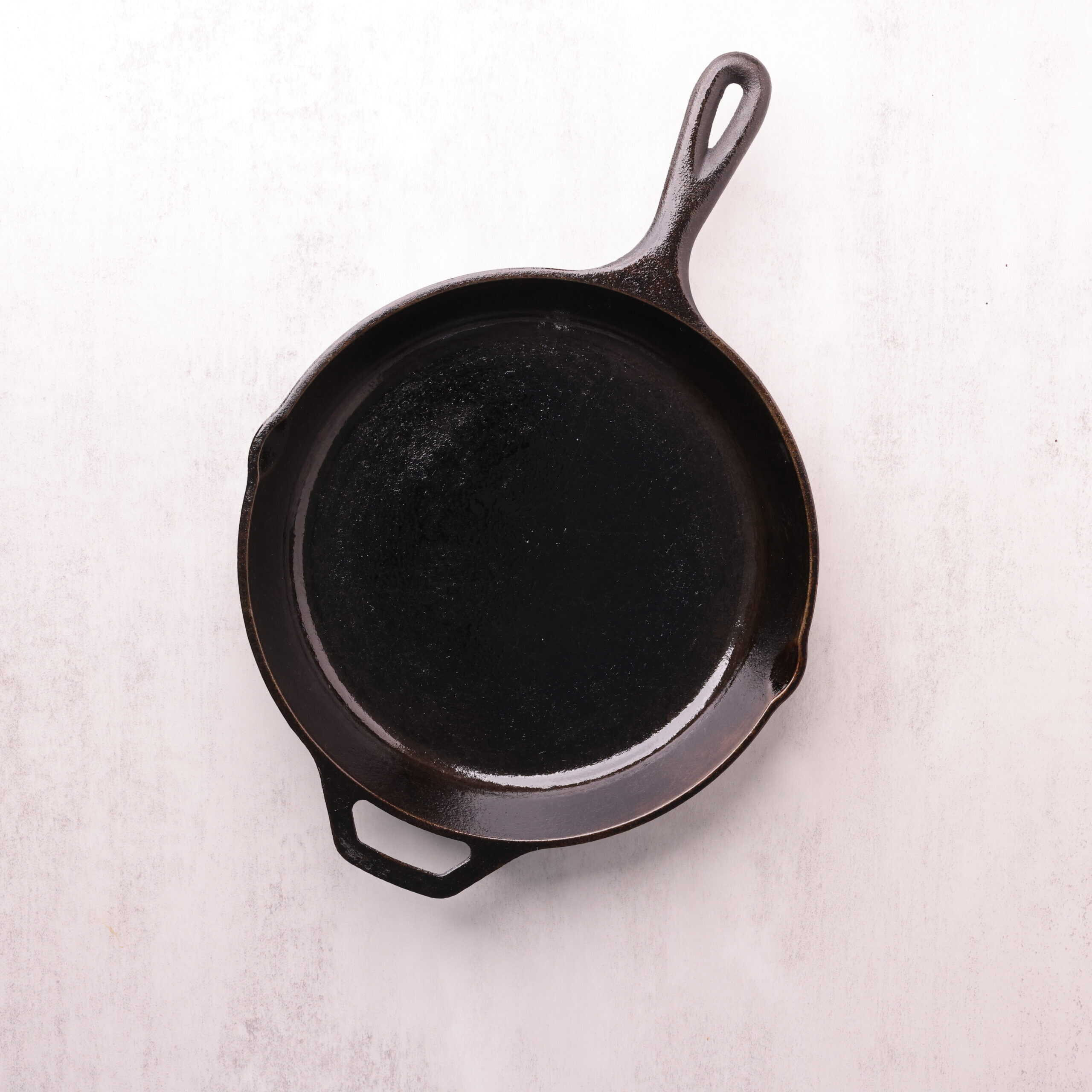
Step 3: Here you have two options. If you regularly season your skillet/pot choosing option 1 is perfect. If your cast iron has sat for a long period of time without use or seasoning then choosing option 2 will be needed.
Option 1: Place the skillet/pot on an element on high heat and leave for 2-3 minutes or until steam begins to come from it. Remove from the heat.
Option 2: Heat the oven to 450-500°F. Place the skillet/pot upside "right" or upside down in the oven (with foil or a baking sheet below to catch any drips) and bake for 30-60 minutes. If it begins to get smoky or smell strong, remove it from the oven but 60 minutes is the ideal length of time.
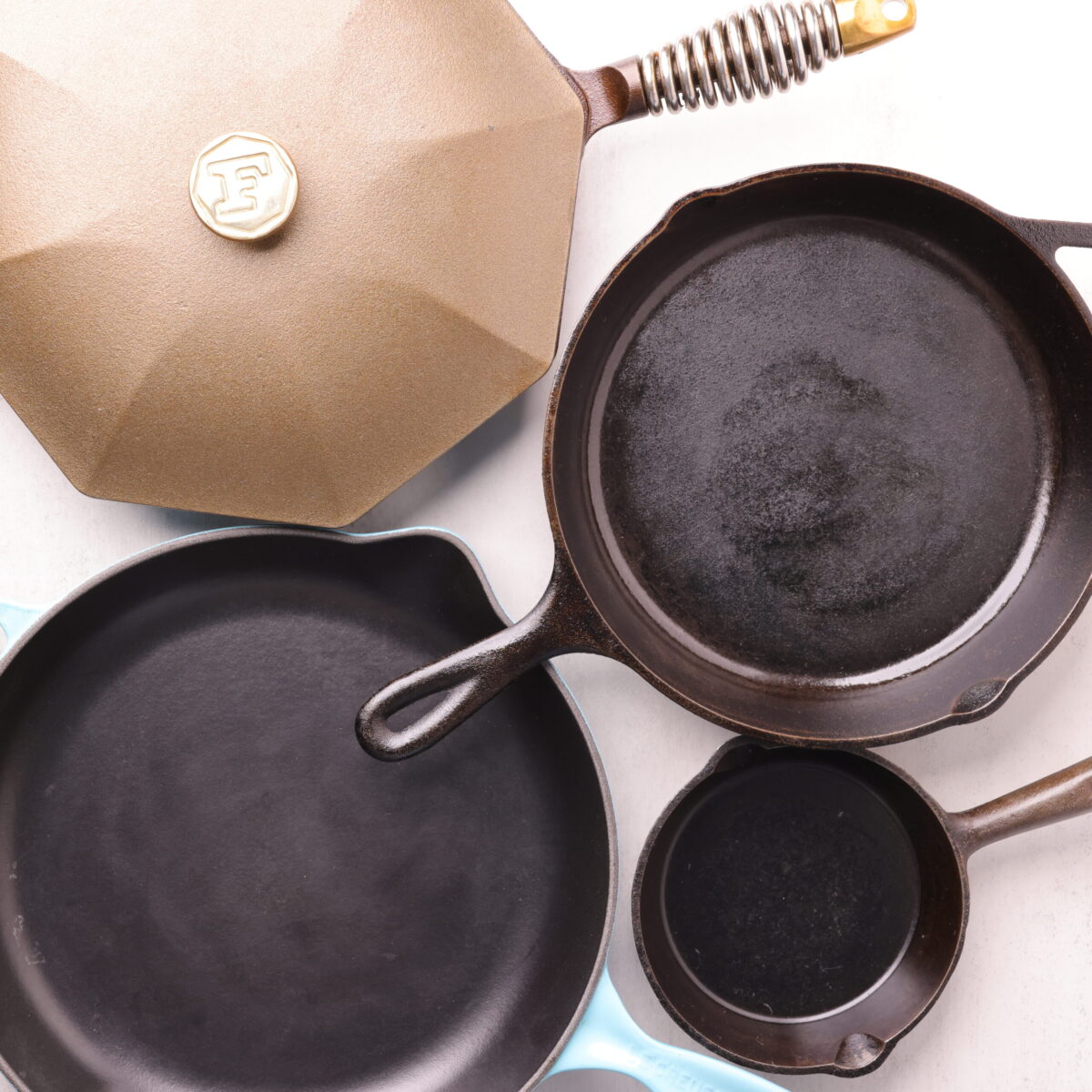
Step 4: Allow your skillet or pot to fully cool before handling and storing it.
Hint: When placing your raw cast iron in the oven, ensure that you wipe off any excess oil from it. We want the thinnest layer of oil to avoid excess smoke in the process of seasoning.
More Tips
Rust. If left for a long enough period of time or not properly seasoned, raw cast iron is susceptible to rust. The good news is, this doesn't mean your pot or skillet is ruined. It's easy to save a rusted piece which is part of what makes cast iron so long lasting. Simply scrub off the rust with steel wool, rinse, dry, and re-season the pan using option 2 listed above.
Sticking. There can be a few reasons for foods to be sticking in your raw cast iron. Usually it's because the pan isn't fully seasoned yet or wasn't hot enough before adding food. Give it time-seasoning improves with use. In the mean time, add a little extra oil to your cooking. If you are using enameled cast iron and foods are sticking, it is likely because you need to add a little oil or because you have heated the food too quickly. Try cooking slower at a lower temperature and stir the food often.
Soap. If you feel you really need to use soap on your cast iron then choose a gentle detergent. Know that this will remove some of the desired oils that we want to have build up so you will need to ensure you replenish them. The key is drying and seasoning your pan again right after washing. If you find foods are sticking then you may need to give it an extra seasoning.
Dishwashers. Never put raw or enameled cast iron in the dishwasher.
Storage
Ideally when storing cast iron pots and skillets we would keep them in a single layer. However, I realize this isn't always possible. If you are needing to stack your pots, then I recommend placing a piece of paper towel between them. This keeps the bottom one free from dirt and scratches and eliminates them from sticking together. If your raw cast iron has a lid, store it with the lid off. Trapped moisture is the fastest way to ruin seasoning and cause rust. This is not a concern with enameled cast iron. Lastly, always store your cast iron dried, seasoned (if raw) and cooled.
Top Tip
The more you cook in cast iron, the better it gets. Frequent use builds up the nonstick patina naturally, so don't be afraid to make it your daily pan.
FAQ
No. Enameled pieces don't need seasoning since the enamel coating protects the iron.
Dinner Ideas
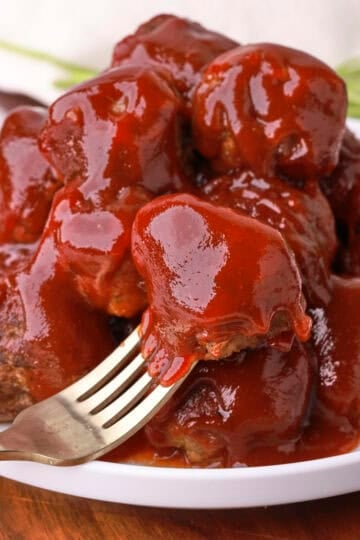
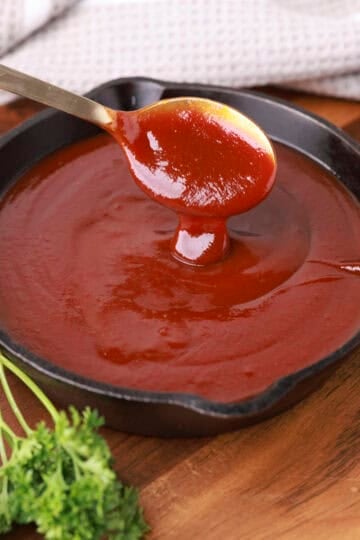
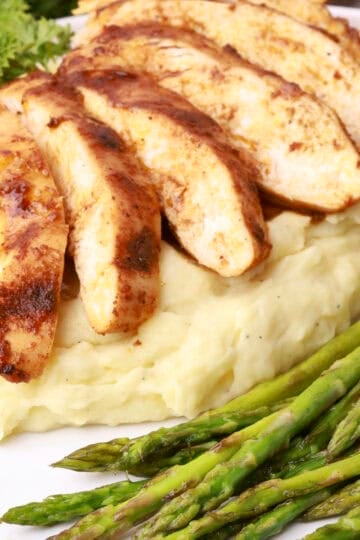
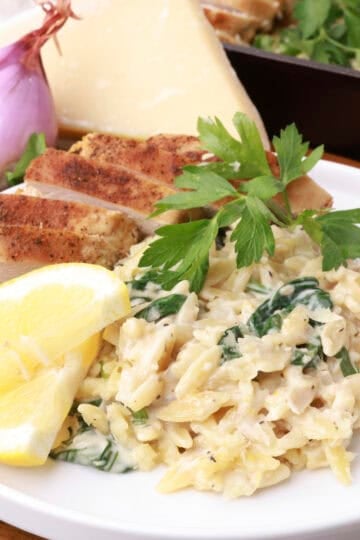
Here are some delicious Cast Iron Supper Dishes:
Dessert Ideas
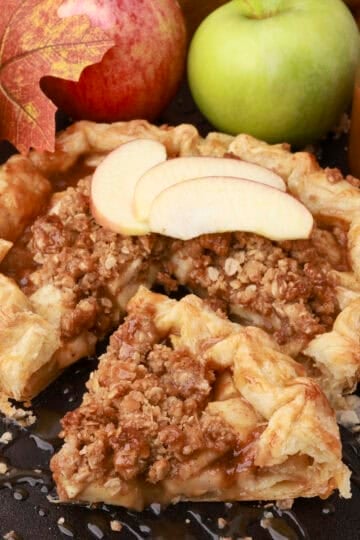
Try some of these amazing Cast Iron dessert recipes!
Jenice Wallace says
I really enjoyed writing up this post. I hope you all find it helpful! Let me know if there is a specific area you'd like me expand on! I'm looking forward to going more in depth on Cast Iron Care and Use.